RESEARCH FOR CULTURAL DIGITAL INFRASTRUCTURE
Developing the Structural Foundations of Cultural Digital Infrastructure
The program brings together cultural research, governance theory, technological analysis, institutional models, and implementation studies to inform the development of open standards for Cultural Digital Infrastructure.

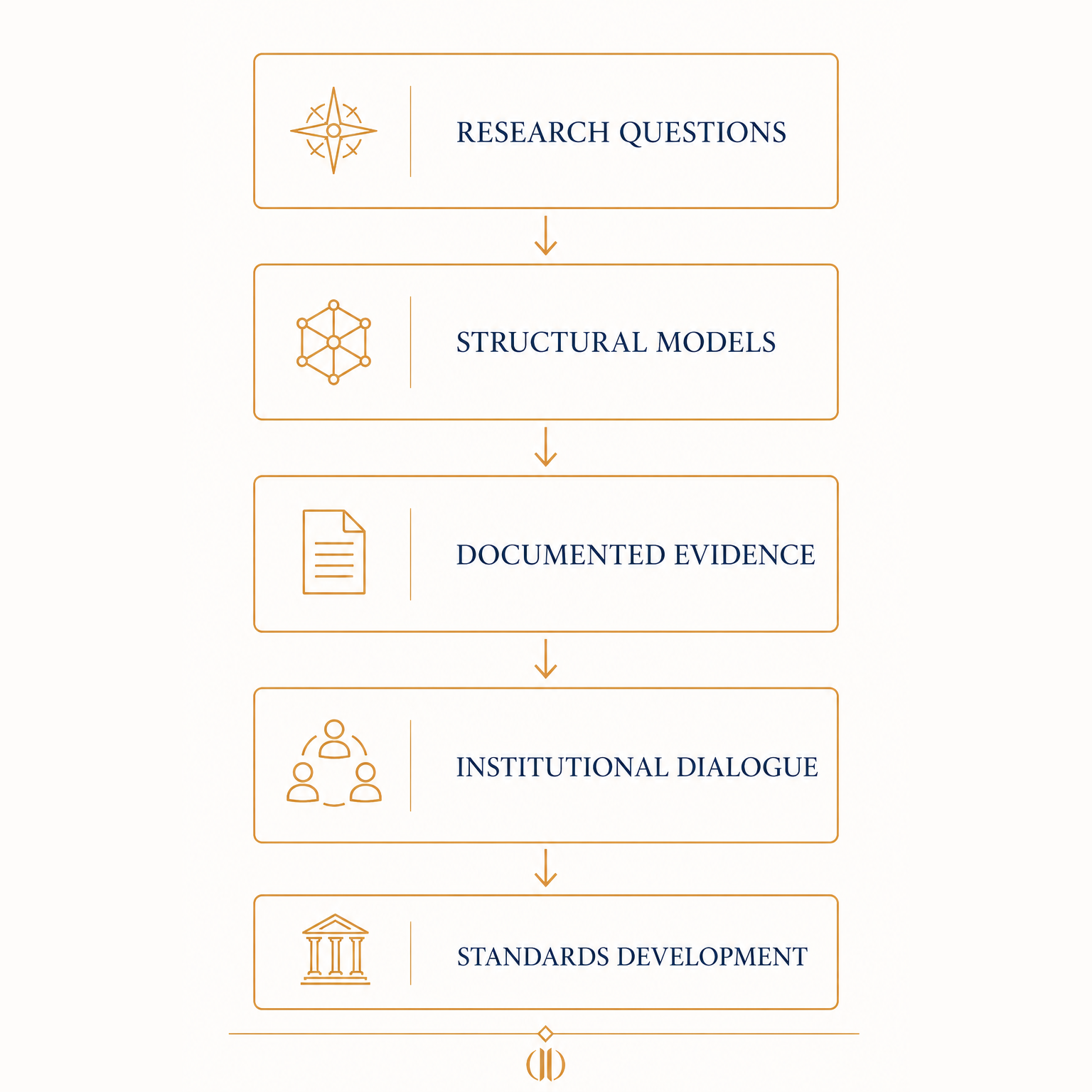
Standards define shared requirements.
Research investigates the conditions from which those requirements may responsibly emerge.
#mandate
1. Research Mandate
Research in the Public Interest
The research mandate of the CDA Standards Organization is to investigate the structural foundations required for trusted, interoperable, and sustainable Cultural Digital Infrastructure.
The research program examines questions concerning:
- cultural value;
- utility;
- governance;
- trust;
- economic sustainability;
- interoperability;
- institutional legitimacy;
- preservation;
- continuity;
- standards development;
- implementation across different cultural environments.
The Organization does not conduct research to justify a predetermined technology, commercial product, or financial model.
Its purpose is to create an open body of knowledge capable of informing international dialogue and future standards development.
Research should remain capable of questioning the assumptions upon which the Organization itself is built.
#research-to-standards
2. From Research to Standards
Research Informs the Standard. It Does Not Automatically Become the Standard.
The CDA Standards Organization maintains a formal distinction between:
- exploratory research;
- theoretical frameworks;
- implementation studies;
- normative standards.
Research may identify a structural problem, propose a definition, develop a model, or generate evidence.
Before any research result becomes part of the CDA Protocol, it must undergo:
- methodological review;
- institutional consultation;
- standards evaluation;
- implementation analysis;
- public or expert review where appropriate;
- formal approval through the standards governance process.
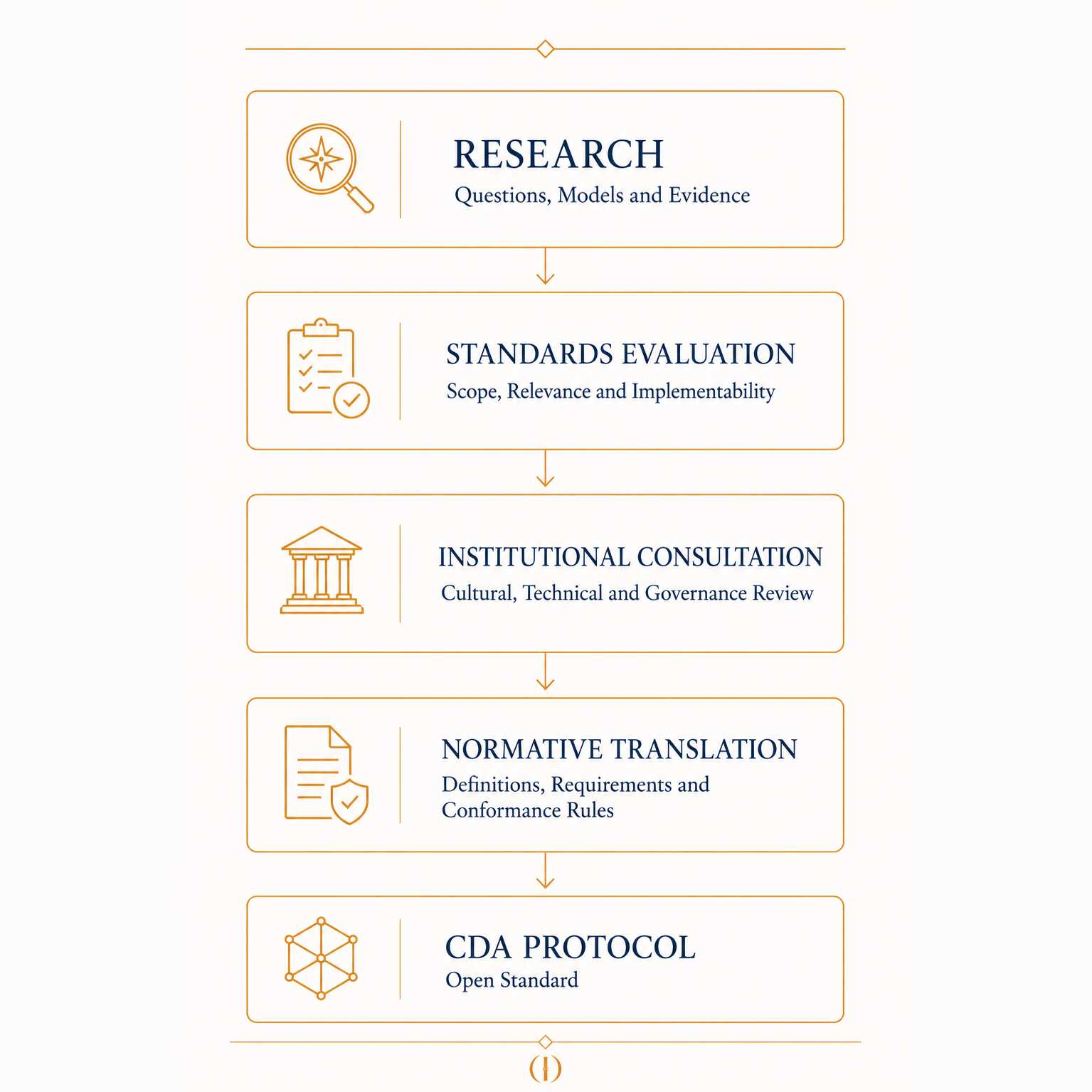
Research may propose.
The standards process must evaluate.
The Organization must govern.
This separation protects both research integrity and standards legitimacy.
It ensures that:
- research remains open to revision;
- standards remain implementable;
- institutional partners cannot convert preferences directly into normative requirements;
- commercial implementations cannot determine the content of the standard.
#origins
3. Origins of the Research Program
From Artistic Research to Cultural Infrastructure Research
The research foundations of the CDA Standards Organization emerged through the ANDRBEL Research Program.
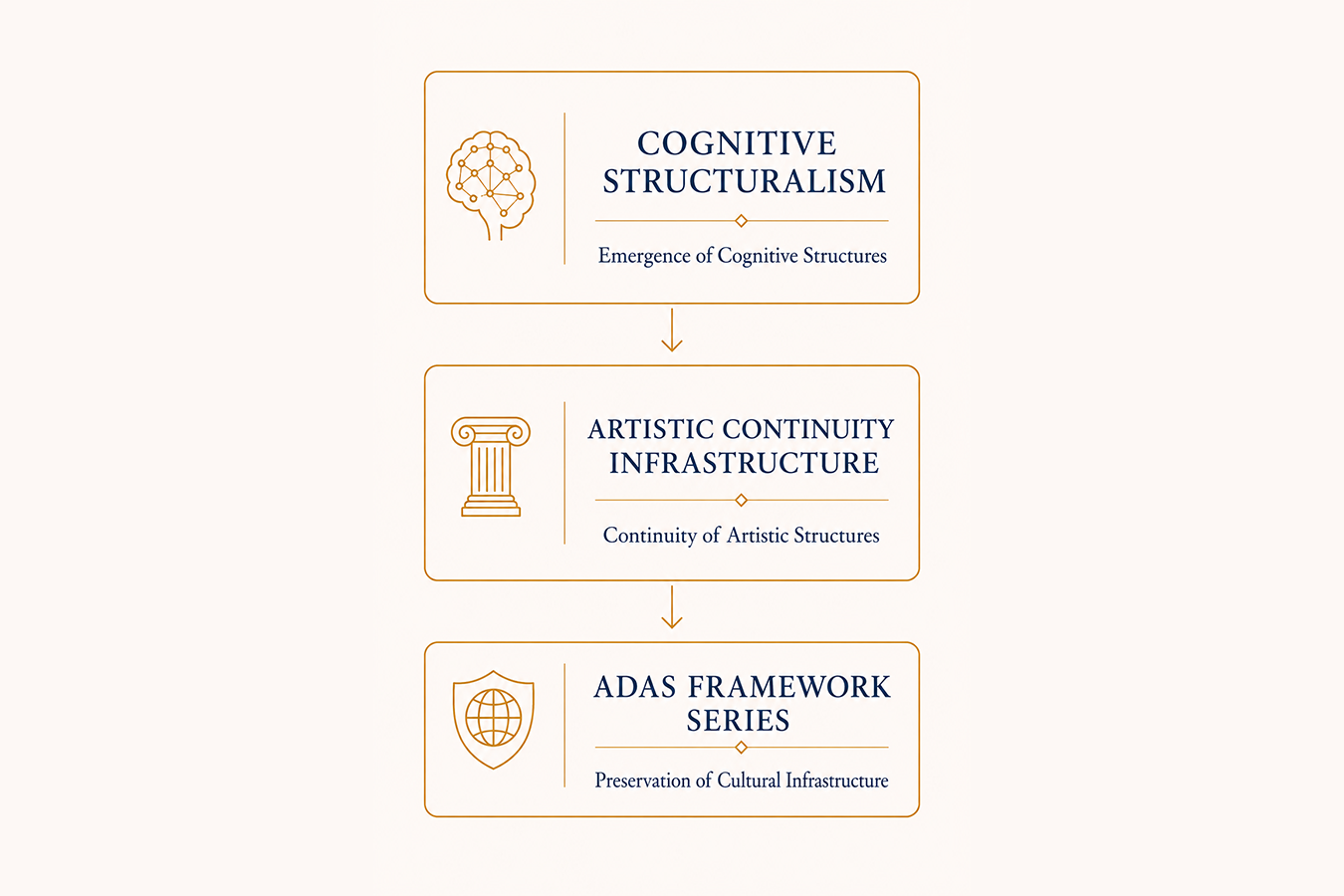
The program developed progressively across three interconnected research directions:
The three programs investigate complementary structural processes:
| Research Program | Fundamental Process | Structural Object | |
| Cognitive Structuralism | Emergence | Cognitive Structures | |
| Artistic Continuity Infrastructure | Continuity | Continuity Structures | |
| ADAS Framework Series | Preservation | Ontological Structures and Preservation Dimensions |
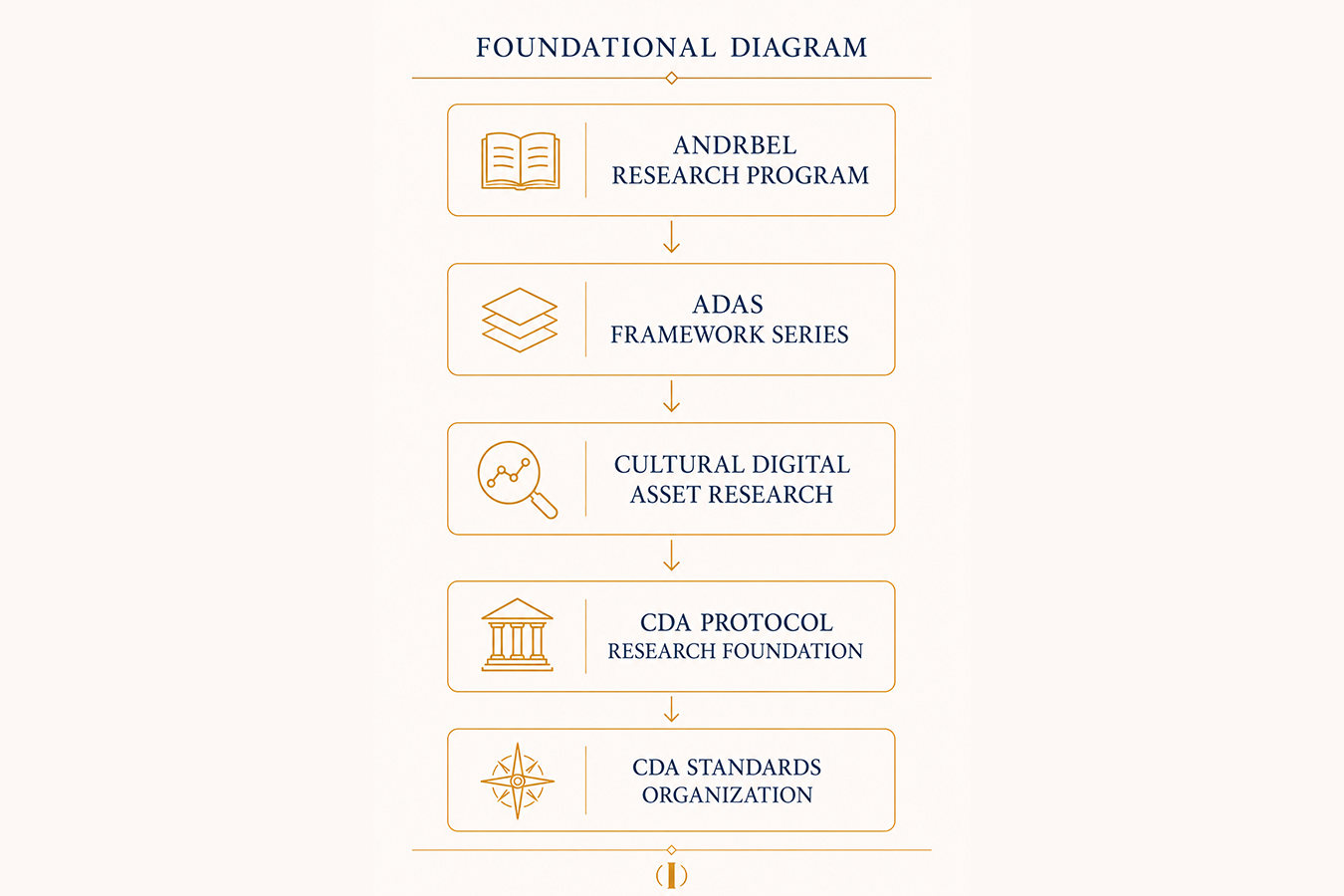
Important clarification
The CDA Standards Organization is not an extension of an individual artistic practice.
Its institutional research program develops from an identifiable intellectual origin while remaining open to:
- independent researchers;
- universities;
- cultural institutions;
- technical specialists;
- public consultation;
- competing interpretations;
- methodological critique.
#cultural-primacy
4. Principle of Cultural Primacy
Culture Precedes Technology
The ADAS Framework Series is founded upon the Principle of Cultural Primacy.
Technology is not the purpose of a Cultural Digital Asset. It is the medium through which cultural participation, knowledge generation, governance, and long-term continuity may be supported.
Technology therefore does not independently define cultural value.
Blockchain infrastructure, digital identity, registries, interoperability systems, and automated governance mechanisms are treated as enabling structures.
Their institutional relevance depends upon the cultural, educational, research, preservation, or public-interest purposes they support.
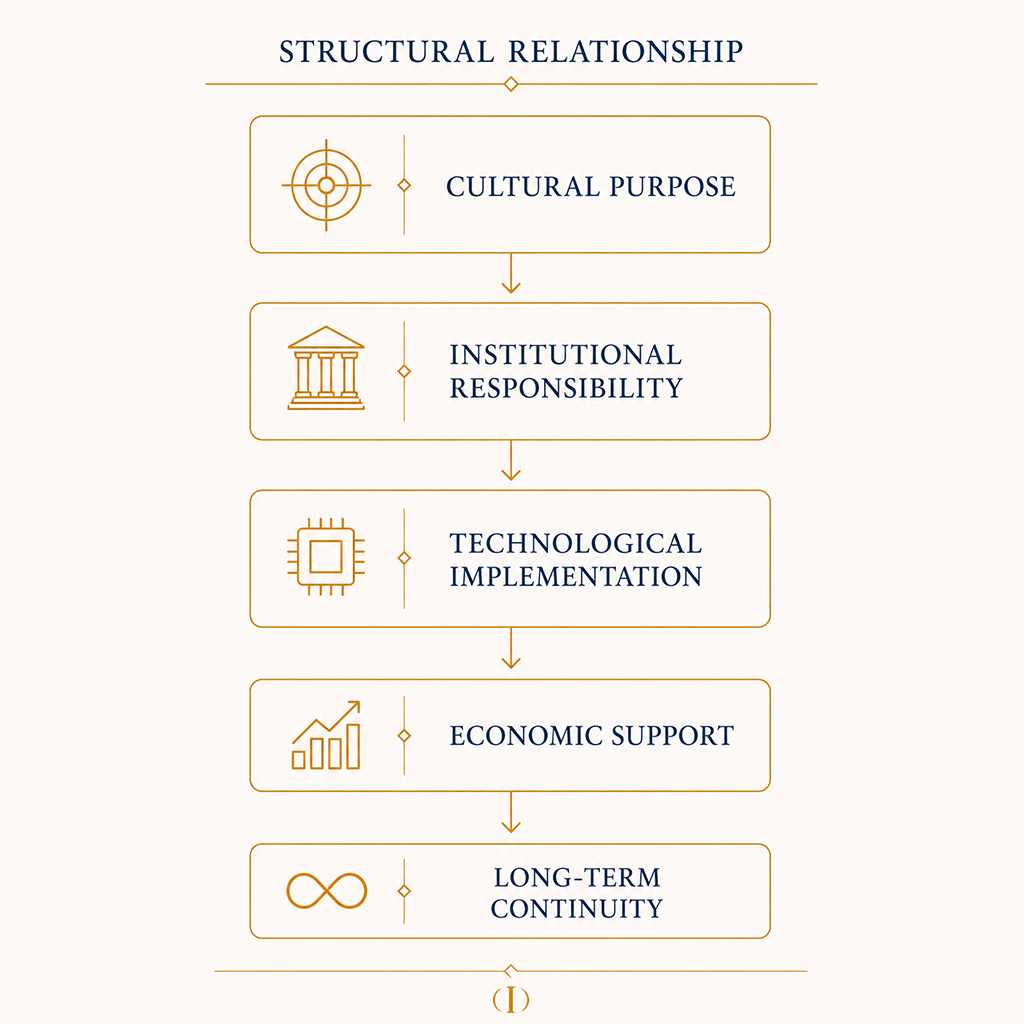
The principle means that:
- cultural purpose should be documented before technological implementation;
- economic mechanisms should reinforce rather than replace cultural value;
- technological efficiency does not by itself establish institutional legitimacy;
- innovation should remain accountable to cultural continuity and public benefit.
Technology serves culture.
Culture does not exist to justify technology.
#cultural-digital-assets
5. Cultural Digital Assets
The Initial Research Domain
A Cultural Digital Asset — CDA is defined within the ADAS research as:
A blockchain-based digital instrument intentionally designed to generate, preserve, and extend cultural value through participation, knowledge generation, governance, and long-term infrastructure rather than through financial speculation alone.
A CDA is therefore understood primarily as a component of cultural infrastructure.
Its technological implementation serves broader:
- artistic;
- educational;
- institutional;
- research;
- preservation;
- societal objectives.
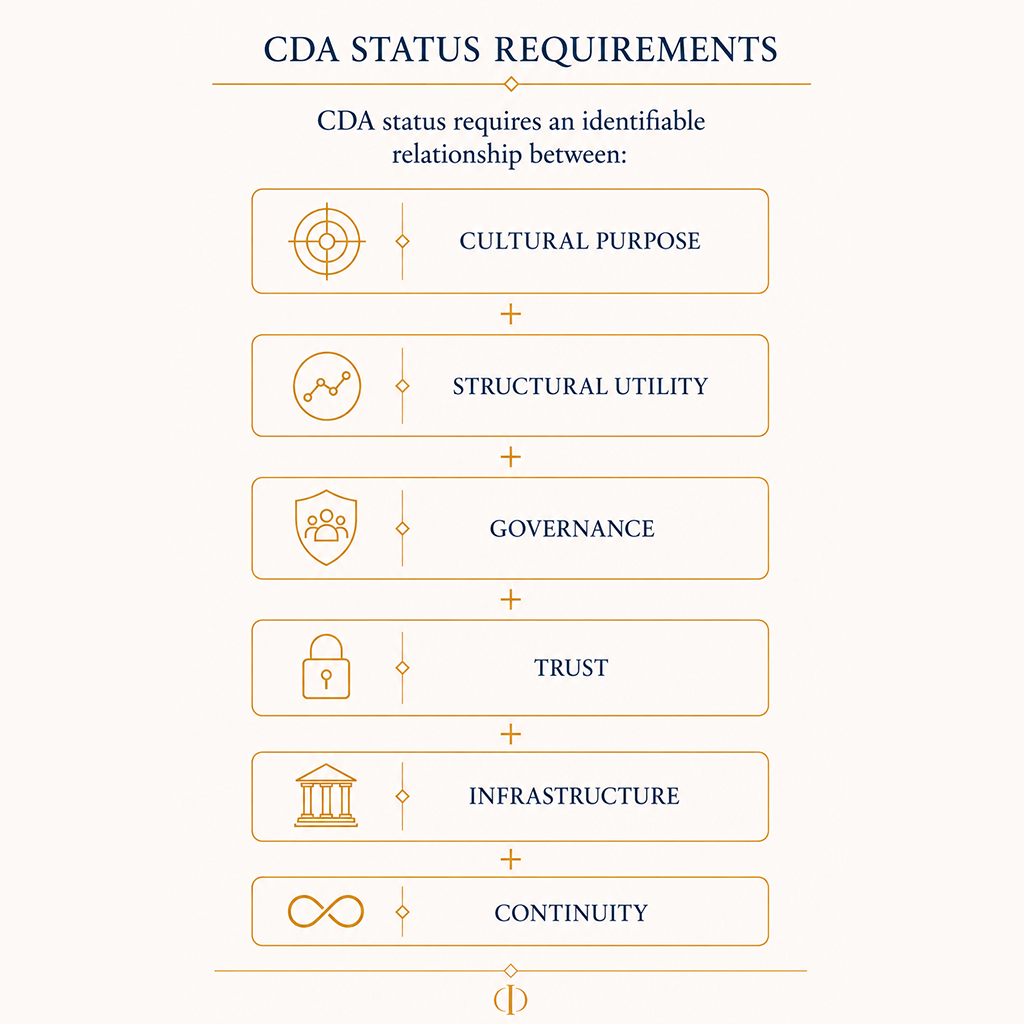
- what constitutes cultural value in digital environments;
- how utility should be evaluated;
- how governance responsibilities are organized;
- how trust becomes structurally demonstrable;
- how economic systems support cultural purpose;
- how infrastructures interoperate;
- how identity and meaning survive technological change;
- how institutional legitimacy emerges;
- how cultural records remain continuous across generations.
The research does not claim that every digital object, NFT, token, or blockchain record is a Cultural Digital Asset.
#adas-frameworks
6. ADAS Framework Series
A Structural Research System for Cultural Digital Infrastructure
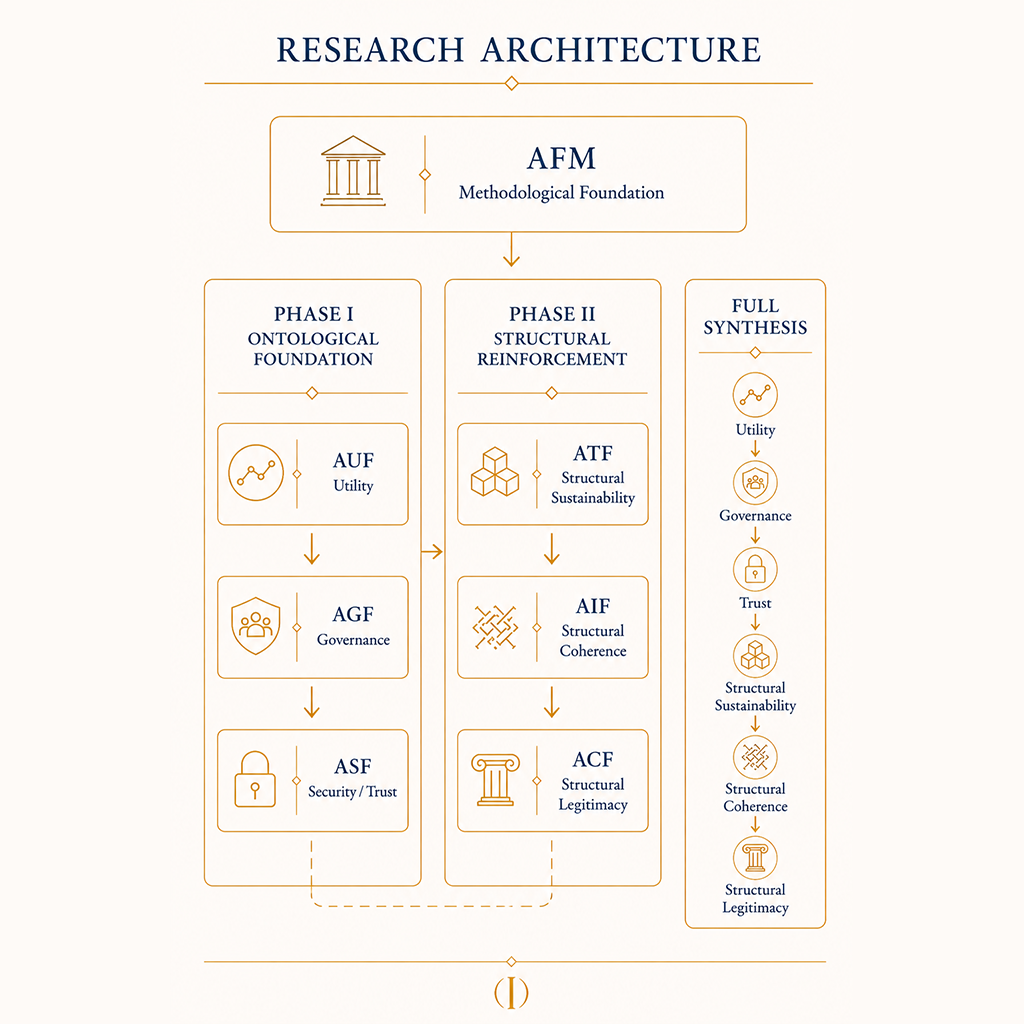
The ADAS Framework Series investigates the structural properties required for trusted and sustainable Cultural Digital Infrastructure.
The first full research architecture consists of:
AFM
ADAS Framework Methodology
The methodological foundation governing:
- formulation of research questions;
- structural domains;
- metrics and attributes;
- application;
- scope;
- synthesis;
- future refinement.
Phase I — Ontological Foundation
AUF — ADAS Utility Framework
Utility
Research question:
- What constitutes meaningful utility in Cultural Digital Assets?
It is the structured capacity of a CDA to generate participation, education, experimentation, research, infrastructure, and continuity.
AGF — ADAS Governance Framework
Governance
Research question:
- How should responsibility, decision-making, and institutional continuity be organized?
ASF — ADAS Security Framework
Security and Trust
Research question:
- Under what structural conditions can trust become transparent, verifiable, reliable, and continuously preserved?
Phase II — Structural Reinforcement
ATF — ADAS Tokenomics Framework
Structural Sustainability
Research question:
- How can economic structures reinforce cultural value without replacing it?
AIF — ADAS Interoperability Framework
Structural Coherence
Research question:
- How can independent systems interact while preserving identity and internal structure?
ACF — ADAS Compliance Framework
Structural Legitimacy
Research question:
- How do cultural infrastructures become institutionally recognizable while preserving ontological integrity?
#research-architecture
7. Research Architecture
From Ontological Foundations to Institutional Legitimacy
Research interpretation
- Utility explains why cultural value is generated.
- Governance explains how responsibility is organized.
- Trust explains how structural reliability becomes demonstrable.
- Structural Sustainability explains how the system remains viable.
- Structural Coherence explains how identity survives interaction.
- Structural Legitimacy explains how the system becomes institutionally recognizable.
The complete ADAS architecture is currently established as a conceptual research system.
Its application beyond Cultural Digital Assets remains an Extended Application Domain requiring comparative study, institutional testing, and empirical evidence.
#digital-asset-papers
8. Digital Asset Papers
From General Frameworks to Applied Research
The Digital Asset Papers — DAP Series apply the ADAS Framework Series to specific cultural digital systems.
The general frameworks do not determine the results of a DAP.
Each paper conducts a structured investigation of a particular implementation, ecosystem, or cultural digital asset.
Initial reference implementations
- DAP #1 — RELHI
- DAP #2 — ARTHALL
- DAP #3 — MADO
- subsequent papers addressing specific Cultural Digital Assets and implementation structures.
Structural Research Record
Each DAP may produce a Structural Research Record — SRR containing:
- research question;
- selected frameworks;
- attributes;
- evidence;
- observations;
- structural assessment;
- limitations;
- version;
- responsible researchers.
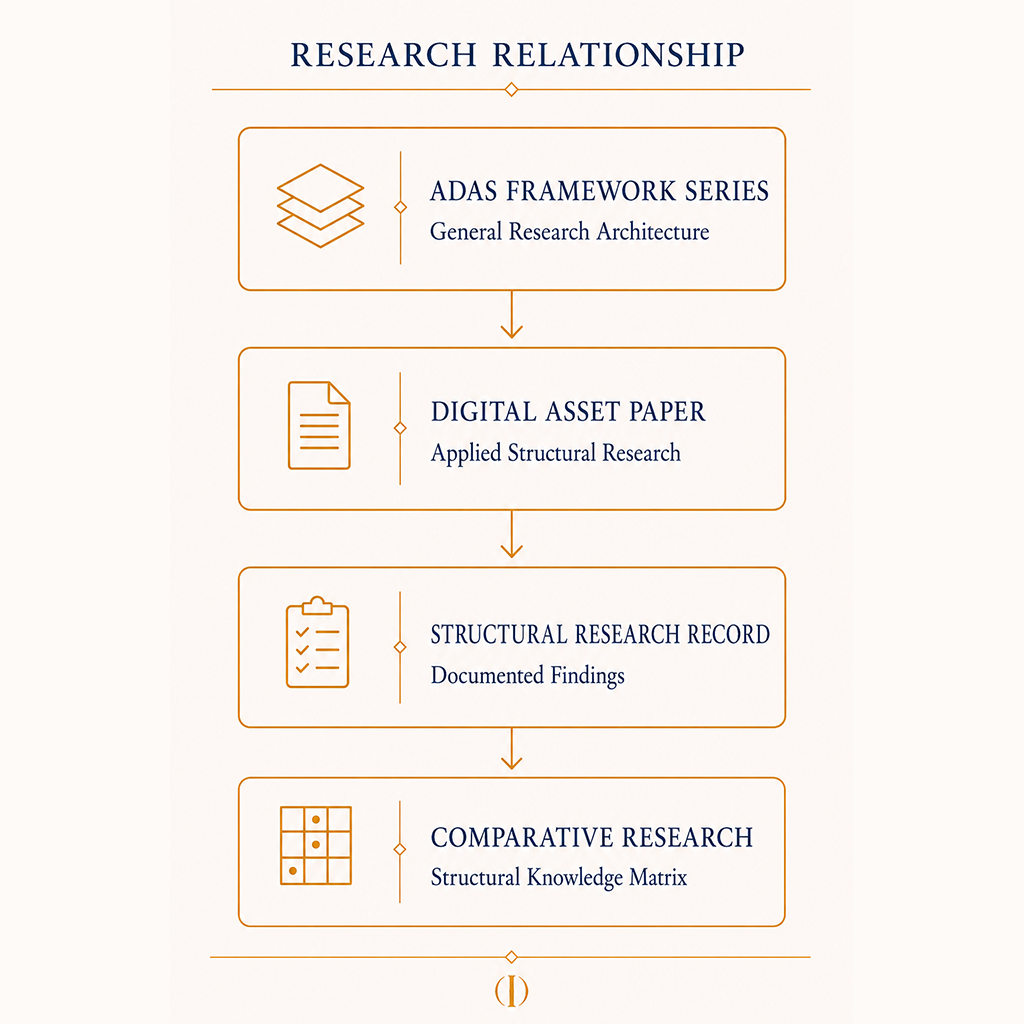
Important distinction
DAP
conducts research
CDA Protocol
registers and discloses structured records
Structural Knowledge Matrix
supports comparative analysis
#institutional-models
9. CDA Institutional Models
Researching How Institutions Develop Across Time
The CDA Institutional Models — CIM Series investigates the organizational and institutional structures required for long-term stewardship of open cultural standards.
This series emerged through the development of the Founding Circle architecture but extends beyond the partnership program.
It studies institutional participation as a structured process rather than a static membership status.
CIM-01
Institutional Development Model
Institutional Capacity
↓
Institutional Role
↓
Institutional Contribution
↓
Institutional Journey
↓
Institutional Legacy
The model examines how existing institutional capabilities are translated into responsibility, contribution, long-term participation, and historical legacy.
CIM-02
Institutional Governance Model
Investigates:
- distribution of authority;
- governance independence;
- institutional representation;
- decision-making;
- conflict-of-interest management;
- accountability;
- succession;
- institutional evolution.
CIM-03
Institutional Stewardship Model
Investigates stewardship as a long-term institutional responsibility rather than ownership or sponsorship.
Potential domains include:
- standards stewardship;
- cultural responsibility;
- preservation of institutional purpose;
- intergenerational continuity;
- public-interest obligations.
CIM-04
Institutional Recognition Model
Investigates how institutional contribution may be documented and recognized without creating:
- ownership;
- preferential authority;
- commercial endorsement;
- governance inequality.
The CIM Series studies how institutions contribute, govern, preserve responsibility, and become part of long-term institutional memory.
Status clarification
On the current website, these should appear as:
CDA Institutional Models — Research Series in Development
not as completed international standards.
#questions
10. Current Research Questions
An Open Research Agenda
The research program remains open and evolving.
Current research questions include:
Cultural Digital Assets
- What distinguishes a Cultural Digital Asset from a conventional digital asset?
- How can cultural purpose be documented without reducing culture to a technical classification?
- Which structural attributes should be mandatory, optional, or context-dependent?
Utility
- How should cultural utility be measured?
- Can cultural value be evaluated without converting it into financial value?
- How does utility evolve across participation, education, research, infrastructure, and continuity?
Governance
- How should responsibility be distributed across creators, institutions, communities, and technology providers?
- How can financial support remain separated from normative authority?
- How should governance succession be designed?
Trust
- What evidence is required for institutional trust?
- How can trust remain verifiable across changing technologies?
- Which forms of independent review are appropriate?
Structural Sustainability
- How can economic mechanisms support cultural systems without controlling them?
- What forms of funding preserve institutional independence?
- How should long-term operating capacity be evaluated?
Interoperability
- How can cultural records move between systems without losing identity, provenance, context, or governance?
- What information should remain portable?
- How should competing technical implementations remain compatible?
Preservation and Continuity
- Who remains responsible when a platform, institution, or issuing organization ceases to exist?
- How should metadata, governance records, and institutional memory migrate?
- What does cultural continuity mean across technological generations?
Institutional Legitimacy
- Under what conditions does a cultural digital infrastructure become institutionally recognizable?
- How can legitimacy be demonstrated without centralizing cultural authority?
- What role should museums, archives, universities, foundations, and cultural communities play?
Standards Research
- Which research findings should become normative requirements?
- How should implementation evidence influence future versions of the protocol?
- How should minority, regional, and non-Western cultural perspectives be represented in standards development?
#methodology
11. Research Methodology and Evidence
Structural Research Requires Documented Reasoning
The research program should not appear as a collection of philosophical statements.
It uses a documented structural methodology.
Potential components include:
- research question;
- scope;
- definitions;
- domains;
- structural attributes;
- qualitative metrics;
- implementation analysis;
- comparative cases;
- limitations;
- revision history;
- theoretical synthesis.
- institutional case studies;
- implementation records;
- governance documentation;
- registry data;
- technical tests;
- preservation studies;
- expert consultations;
- public consultation;
- comparative standards analysis;
- artistic and cultural research;
- longitudinal observation.
Research frameworks establish questions and methods.
Evidence determines how far their conclusions may responsibly extend.
#partners
12. Research Partners
Building an International Research Community
The CDA Standards Organization intends to develop research through collaboration with:
- universities;
- artistic research institutions;
- museums;
- archives;
- libraries;
- cultural foundations;
- governance institutes;
- digital preservation laboratories;
- standards organizations;
- technology research centers;
- independent scholars;
- cultural communities.
- joint research projects;
- methodological review;
- comparative case studies;
- implementation laboratories;
- fellowships;
- seminars;
- publications;
- research residencies;
- Working Groups;
- educational programs;
- international conferences.
Research Partners contribute expertise.
They do not receive ownership of the research program or control over the CDA Protocol.
#independence
13. Research Independence
Independence Is a Methodological Requirement
Research conducted or coordinated by the CDA Standards Organization must remain protected from:
- commercial implementation interests;
- donor preferences;
- technology-provider dependency;
- institutional prestige;
- predetermined policy conclusions;
- pressure to validate existing products.
Funding and institutional participation may enable research.
They must not determine its conclusions.
Safeguards to be developed
- disclosure of funding sources;
- conflict-of-interest declarations;
- documented methodology;
- version history;
- attribution of contributors;
- publication of limitations;
- separation between research review and commercial implementation;
- independent peer or institutional review where appropriate.
Support makes research possible.
Independence makes research credible.
#archive
14. External Research Archive
Research Origin and Author Archive
The CDA Standards Organization maintains its own public institutional interface for research.
Full historical materials, author archives, early frameworks, artistic research origins, and extended publications may remain available through external research platforms.
This external archive functions as a source record.
It does not replace the research governance or public documentation of the CDA Standards Organization.
Recommended archive cards
ANDRBEL Research Program
Research Origin
The broader interdisciplinary research program from which the ADAS Framework Series and CDA research developed.
Visit the Research Program →
external link to andrbel.org
ADAS Framework Archive
Foundational Documents
Full versions of AFM, AUF, AGF, ASF, ATF, AIF, ACF, DAP papers, diagrams, and version history.
Explore the ADAS Frameworks →
external links to relevant pages.
Research Catalogue Publications
Artistic Research Archive
Publications concerning Cognitive Structuralism, Artistic Continuity Infrastructure, and related research expositions.
View Research Catalogue Publications →
external link.
Author Research Archive
AndrBel
Historical notes, original texts, diagrams, and authorial development of the research program.
Visit Author Archive →
external link to the appropriate section of andrbel.org or andrbel.art.
External archives preserve the intellectual and historical origin of the research. Official standards, governance records, and current institutional publications are maintained by the CDA Standards Organization.
#participate
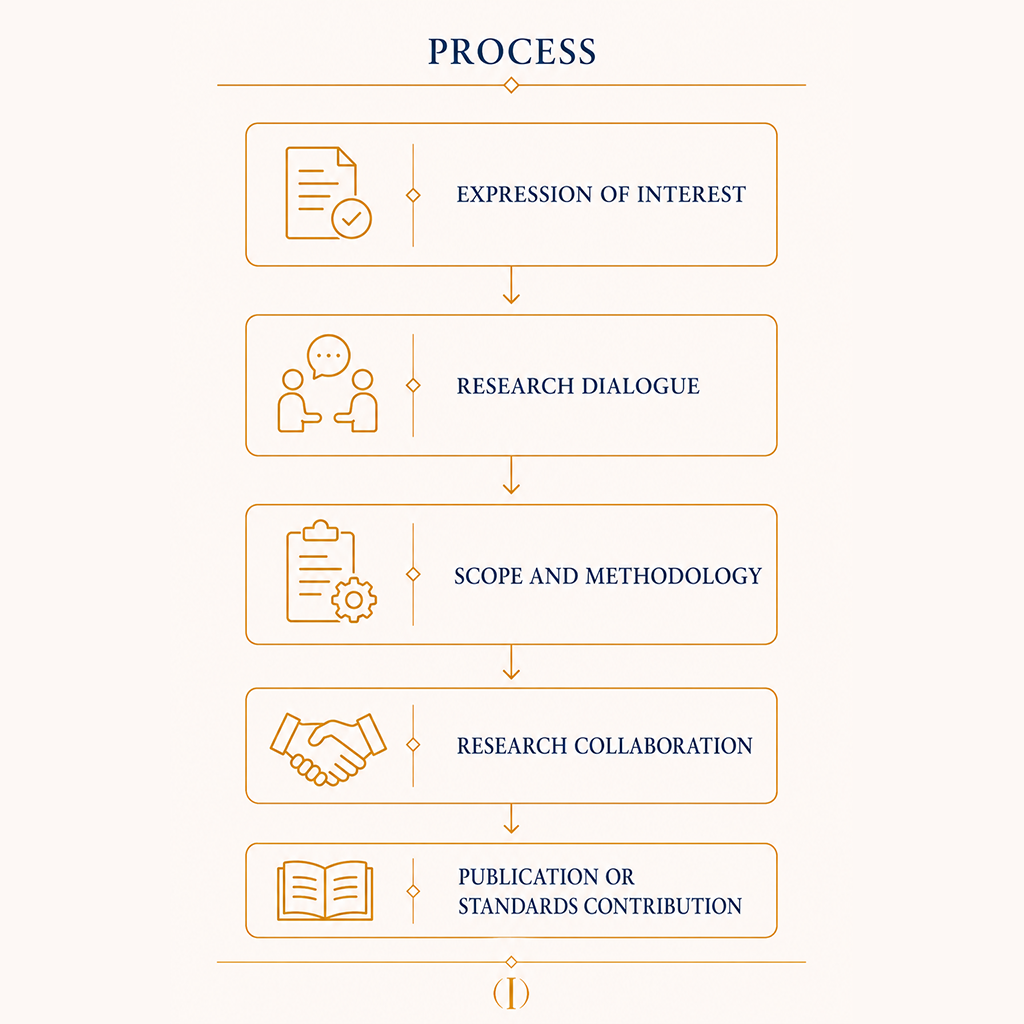
15. Participate in Research
Contribute to the Research Program
Researchers, universities, cultural institutions, foundations, technology organizations, archives, and independent experts may contribute through:
- research proposals;
- institutional case studies;
- peer commentary;
- methodology review;
- implementation evidence;
- regional perspectives;
- preservation expertise;
- governance research;
- interoperability testing;
- translation and terminology work.
16. Final Research Statement
Research as Institutional Infrastructure
Cultural Digital Infrastructure cannot be sustained through technology alone.
It requires:
- a shared conceptual language;
- documented structural principles;
- critical research;
- institutional dialogue;
- implementation evidence;
- long-term revision.
The research program of the CDA Standards Organization exists to develop this foundation.
Research generates knowledge.
Standards organize shared requirements.
Institutions preserve them across time.