About the Organization
An Independent Organization Dedicated to Open Standards for Cultural Digital Infrastructure
Its work is guided by principles of institutional independence, public benefit, transparency, and international collaboration.
Standards are most valuable when they are developed independently, documented transparently, and stewarded for the public interest.
#what-we-are
1. What the Organization Is
An Independent Standards Organization
The CDA Standards Organization develops open standards and institutional frameworks for Cultural Digital Infrastructure.
Its role is to:
- coordinate standards development;
- support independent research;
- facilitate institutional dialogue;
- encourage interoperable implementation;
- preserve long-term institutional knowledge.
The Organization does not function as:
- a commercial technology company;
- a blockchain platform;
- a marketplace;
- an investment fund;
- a certification vendor.
Instead, it serves as a steward of open institutional standards.
#institutional-mandate
2. Institutional Mandate
A Public-Interest Mission
The CDA Standards Organization exists to advance shared standards supporting Cultural Digital Assets and Cultural Digital Infrastructure.
Its mandate includes:
- standards development;
- terminology;
- governance principles;
- interoperability;
- institutional guidance;
- research coordination;
- public documentation;
- international cooperation.
The Organization seeks to enable independent implementation rather than centralized control.
The Organization develops standards.
Others remain free to implement them independently.
#independence
3. Why Independence Matters
Independence as a Structural Principle
The credibility of standards depends upon institutional independence.
For this reason, the CDA Standards Organization maintains a clear distinction between:
- research;
- standards stewardship;
- commercial implementation;
- financial participation;
- governance.
Neither financial support nor implementation grants ownership of the standards.
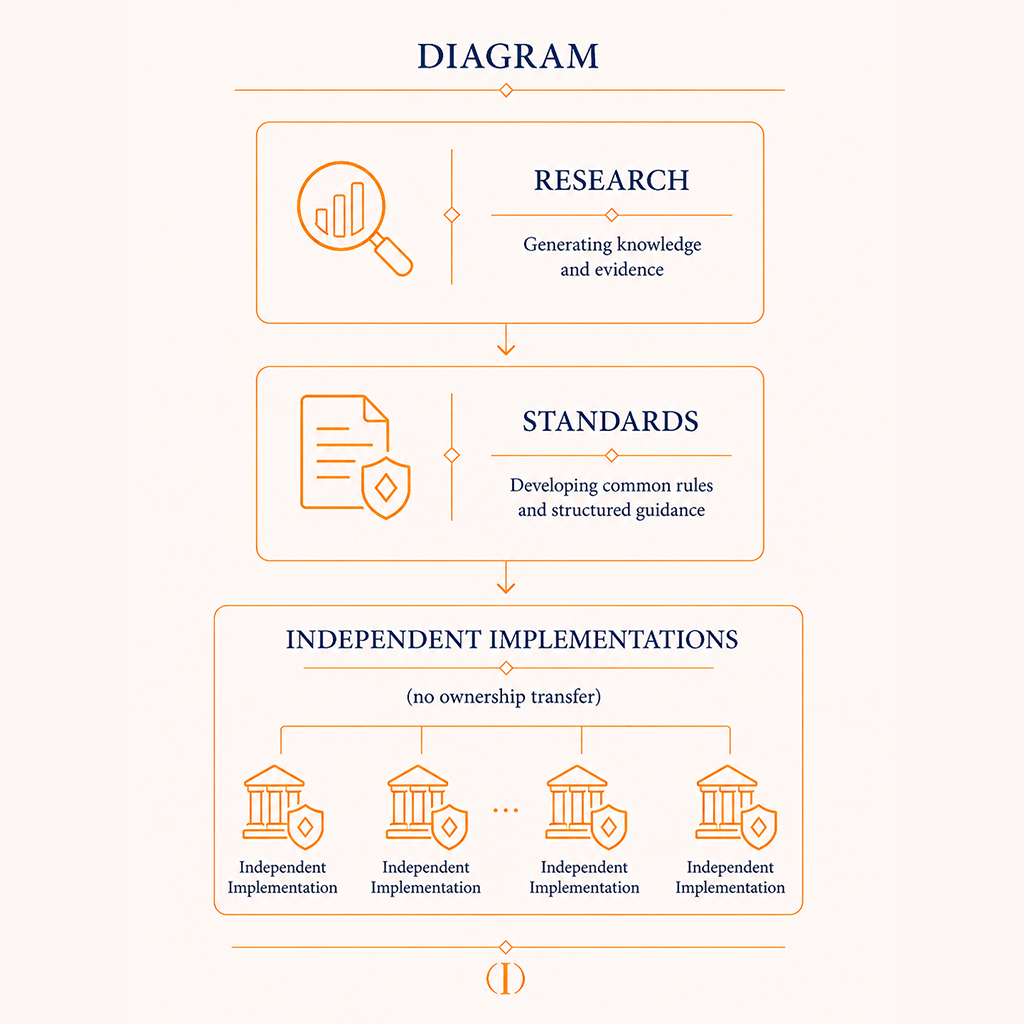
Standards remain independent of any single technology, organization, or commercial implementation.
#dual-model
4. Dual Institution Model
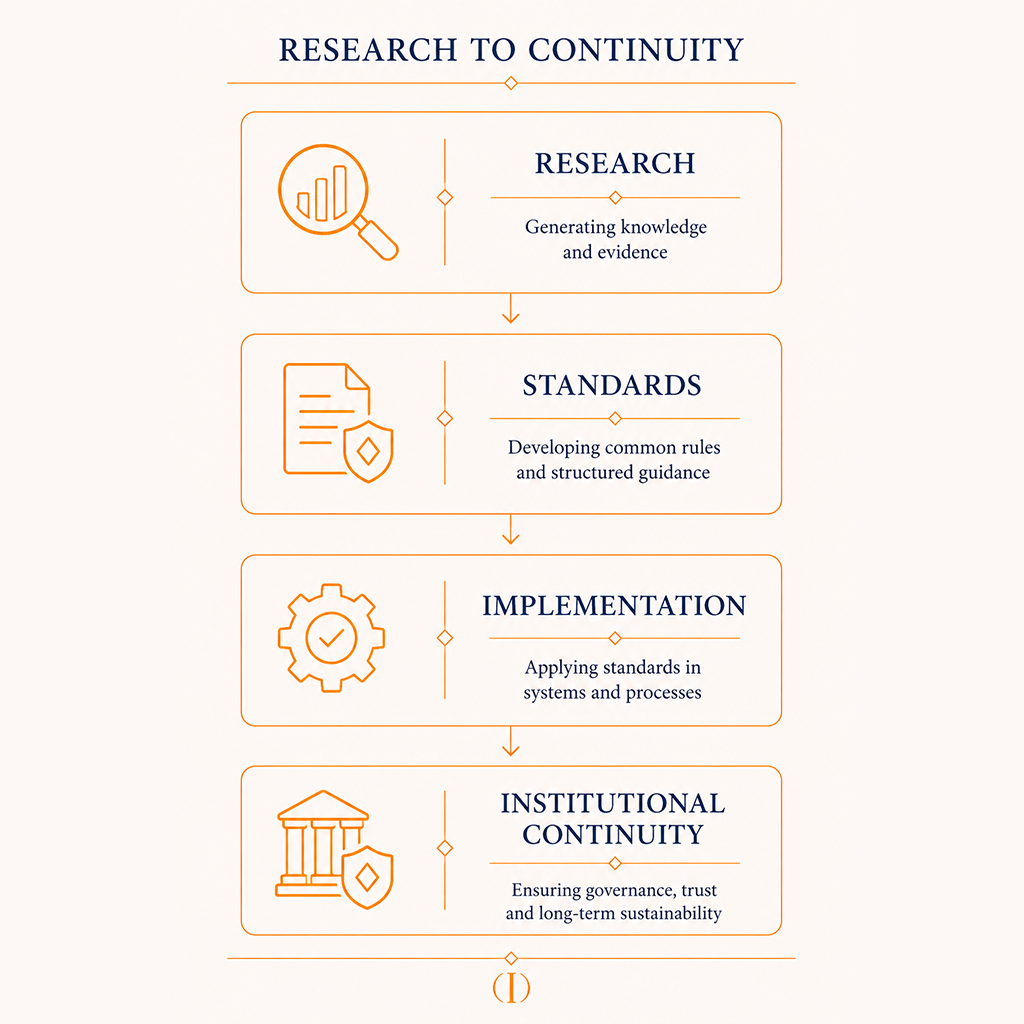
Research and Standards
The CDA Standards Organization distinguishes between two complementary institutional functions.
Research
Generates questions, theoretical models, and conceptual frameworks.
↓
Standards
Evaluate, refine, and publish requirements suitable for independent implementation.
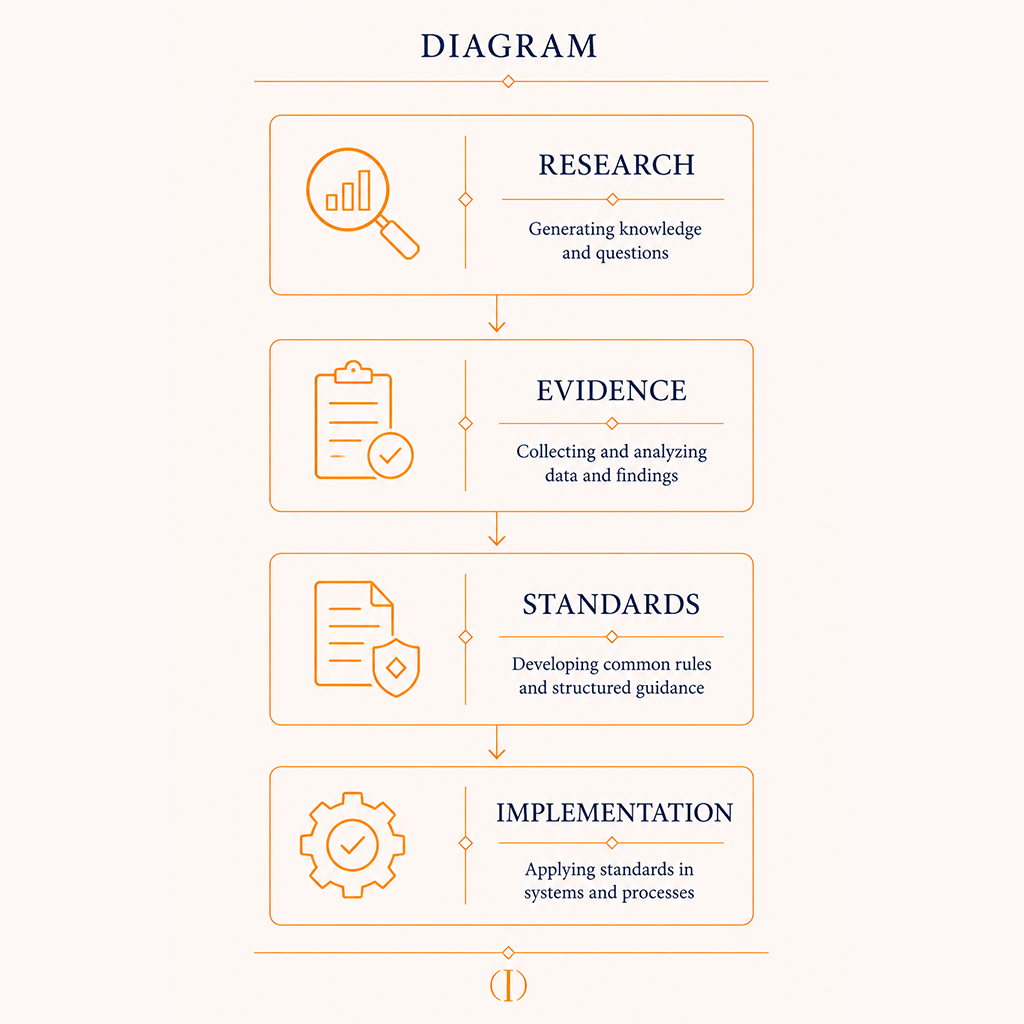
Research creates knowledge.
Standards create shared requirements.
#architecture
5. Institutional Architecture
How the Organization Is Structured
- Standards Program
- Research Program
- Publications
- Working Groups
- Founding Circle
- Secretariat (future)
- Governance Bodies (future)
#governance
6. Governance Principles
Guiding Institutional Decisions
- Independence
- Transparency
- Public Interest
- Documentation
- Version History
- International Participation
- Consensus Building
- Long-Term Stewardship
#international
7. International Vision
Building an International Standards Community
The Organization is intended to serve cultural institutions, researchers, artists, archives, museums, technology providers, and public organizations across different countries and jurisdictions.
Its standards are designed to remain:
- technology-neutral;
- internationally applicable;
- openly documented;
- institutionally governed.
#milan
8. Milan
Why Milan
The CDA Standards Organization is being developed with the intention of establishing its long-term institutional presence in Milan, Italy.
Milan is recognized as an international centre for culture, design, innovation, publishing, and institutional collaboration.
Its location supports the Organization's ambition to engage with European and global cultural communities.
#founder
9. Founder and Origin
Origin of the Initiative
The CDA Standards Organization was initiated by AndrBel through the ANDRBEL Research Program following the development of the ADAS Framework Series and the initial research underlying the CDA Protocol.
The Organization emerged from a broader investigation into Cultural Digital Infrastructure, institutional continuity, governance, and open standards for Cultural Digital Assets.
Its institutional development continues independently of the author's individual artistic practice.

#development
10. Current Development Stage
Current Stage
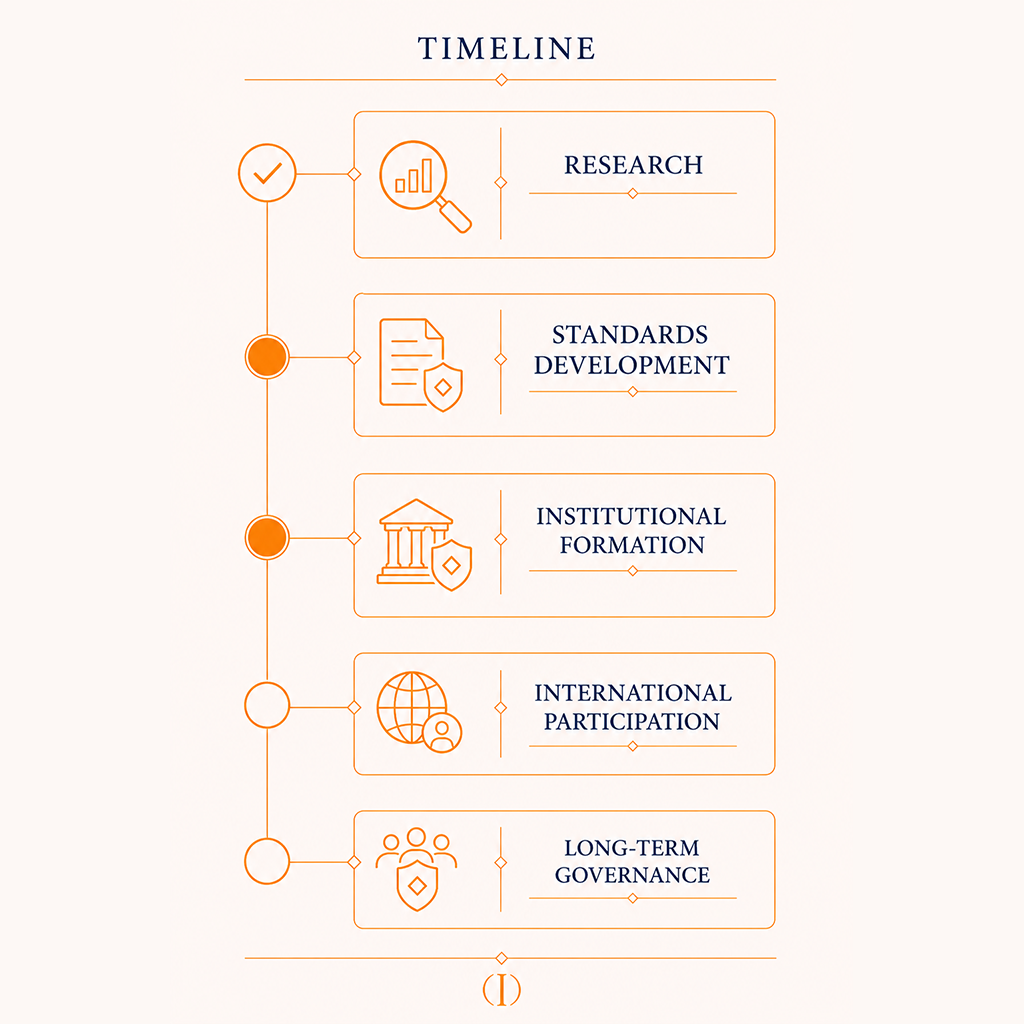
The CDA Standards Organization is currently progressing through its foundational development phase.
Current priorities include:
- establishing the Founding Circle;
- refining the CDA Protocol;
- expanding the research programme;
- publishing institutional documents;
- preparing future governance structures.
#legal-status
11. Legal and Organizational Status
Organizational Development
The CDA Standards Organization is currently being established as an independent standards initiative.
The legal and organizational structure is under development.
During this phase, the Organization continues to publish research, institutional documents, and standards materials while preparing its long-term governance framework.
#contact
12. Contact
Contact the Organization
- institutional dialogue;
- research collaboration;
- standards participation;
- Founding Circle;
- media;
- academic cooperation.